The rapid growth of urbanized areas worldwide generates higher demand for land resources while derelict urban spaces get transformed into operating urban settings. Urban expansion causes numerous industrial sites alongside neglected areas to become useless, which creates planning and design difficulties for both urban planners and designers.
The practice of landscape architecture presents distinctive solutions to transform dysfunctional areas, thus creating lively, sustainable communities that welcome everyone. Landscape architecture-based urban regeneration ensures the fundamental development of ecological stability with economic sustainability combined with social equality. Landscape architects implement green infrastructure together with participatory planning processes and climate-adjusted design practices.
This article examines how landscape architecture contributes to urban renewal by covering essential approaches and two examples, such as the Cheonggyecheon Stream restoration in Seoul, and the Karura Forest conservation project in Nairobi. This text provides an analysis of financial and policy obstacles before presenting solutions to overcome these challenges.
The concept of Urban Regeneration, together with Landscape Architecture, functions as the central focus
The concept of urban regeneration involves transforming neglected spaces alongside distressed or desolate properties to establish better operational areas that are also amenable to living. The transformation initiative converts formerly unusable sites as well as dated foundations along with contaminated waterfront locations into parks and combined purpose developments alongside cultural attractions.
Through ecological restoration, sustainable design practices, and community engagement, landscape architecture promotes environmental development that helps people while benefiting natural systems. Landscape architecture in urban regeneration handles problems from climate adaptation to biodiversity protection and social fusion for developing cities that combat environmental and socioeconomic risks.
Urban renewal projects necessitate interprofessional team effort, which brings together architects along with engineers and urban planners, and ecologists. The collective work of landscape architects results in whole-city design approaches that place sustained environment preservation at the same value as current urban construction requirements.
The Role of Landscape Architects in Urban Renewal
Urban underused areas depend on landscape architects for their complete transformation. Landscape architects make empty locations serve multiple functions through designs that preserve nature and provide access and profit potential to convert vacant areas into active mixed-use developments. Professionals within this field create dual-use environments that combine economic development practices with natural protection methods alongside security enhancements.
Strategic urban planning requires exact focus on constructing separate infrastructure needs, which vary between residential developments and transport systems alongside recreational facilities and environmental defense concerns. The method adopted by landscape architects unites assessments of sustainable ecological structures and built infrastructure with human operations and long-term durability. Their work often involves:
Site assessment requires professionals to analyze soil status alongside groundwater and natural plant varieties as they determine design-friendly solutions. The assessments, together with feasibility examinations, verify that every project upholds the criteria set by sustainable development.
Successful environmental performance enhancement occurs when urban forests function with bioswales and rain gardens, and green roofs under the system of green infrastructure. The implemented tactics lower air pollution while producing climate control advantages that protect native species diversity in the affected area.
Social connectivity will increase because both pedestrian-friendly streets and inclusive parks alongside plazas function to bring communities together for cultural involvement. Accessible public spaces created for inclusivity serve all economic backgrounds of citizens and individuals with physical abilities.
The progress of economic growth requires developing spaces suitable for attracting business investments and tourism and maintaining environmental stability. Urban economic growth improves due to pleasant landscapes designed by landscape architects, thus creating benefits for both local markets and property values.
Sustainable Approaches to Urban Renewal
Sustainable urban renewal principles concentrate on developing green networks while using design that responds to the climate and working to repair damaged land areas. Landscape architects employ several key strategies:
Green Infrastructure and Ecological Networks
Urban renovation heavily depends on green infrastructure to achieve renewal goals. The integrated system unites natural ecosystems with engineered infrastructure to promote biological diversity with water management and climate protection measures.
Key components include:
Green Corridors that link parks together with wetlands and forests to generate wildlife habitats while building recreational areas combined with parks. Through these corridors, ecological connectivity improves because various species need them for migration, and they help species adapt to changes in their environment.
Strategic tree plantations in urban areas serve multiple functions by cleansing the air while giving shade and lowering temperatures through the urban heat island reduction. Urban forest planning done correctly makes them act as natural protectors during storm events while providing multiple environmental benefits.
Permeable Surfaces working with Bio swales absorb rainwater to achieve two goals: it decreases water-caused floods and enhances water penetration into the soil. Sustainable water management benefits from these solutions because they stop high volumes of urban runoff from entering drainage systems.
Green roofs alongside vertical gardens make maximum use of building spaces to increase green infrastructure within crowded urban zones. The combination of these surfaces consumes energy less effectively for both heating and cooling building facilities.
Waterfront Regeneration and Reclaimed Site Operations
A majority of towns possess waterfront areas that need restoration since these sites could develop into shared resources for public use. Successful waterfront redevelopment includes:
Conducting the restoration of natural hydrological systems involved the elimination of concrete channels and the recovery of streams and rivers to restore Mother Nature’s Water Systems. The transformation generates both aquatic habitat solutions and better water conditions.
The development of recreational pathways and the establishment of riverbank and coastal parks, as well as public squares, provides the opportunity for people to enjoy physical activities. The establishment of public spaces near waterfronts builds community connection since they create welcoming areas accessible to entire societal groups.
The transformation of former industrial zones into three different functional spaces includes building parks alongside developing mixed-use developments and implementing ecological reserves. A complete redevelopment of these sites demands both soil contaminants removal and pollutant management practices to guarantee environmental safety standards.
Case Studies in Urban Revitalization
1. Cheonggyecheon Stream Restoration, Seoul
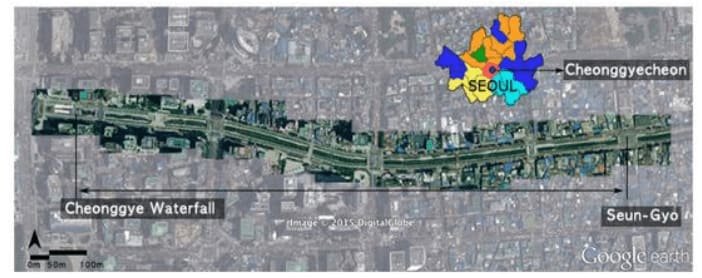
The City of Seoul is in the process of an important paradigm shift, changing from an auto-centric development-oriented urban landscape to one that values the quality of life of its people and the importance of functioning ecosystems. By demolishing an elevated freeway and uncovering a section of the historic Cheonggyecheon Stream, the Cheonggyecheon Restoration Project created both ecological and recreational opportunities along a 3.6-mile corridor in the center of Seoul.
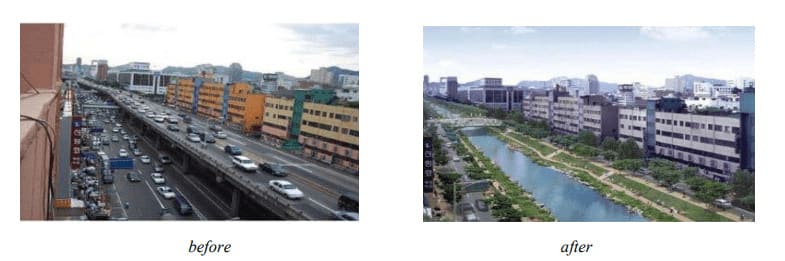
The project has proven catalytic, spurring economic growth and development in an area of Seoul that had languished over the last several decades.
A typically traffic-choked elevated highway was taken down and turned into a waterway, and a public recreation area to make the city more eco-friendly and sustainable. Rapid population growth, urban development, economic growth, and automobile consumption caused Seoul to have a major traffic problem. The Cheonggyecheon highway was a major carrier of the city’s traffic. Therefore, there was a lot of fear regarding the replacement of this crucial road with a public waterway, since it was thought that this would exacerbate the traffic problem in the city.
However, to everyone’s surprise, traffic flow sped up around the region, with travel times reducing. This can be explained using Braess’ Paradox. This is based on driver motives. In the presence of the highway (with ‘optimum’ drive time), all drivers would prefer to use the road, thus congesting it. However, in its absence, this traffic would get scattered across several other roads, which would reduce total travel time.
However, all the success cannot be attributed to just the Braess’ Paradox. Factors such as the government’s increased investments in public transit systems would also have played a part in this. More so, human decisions wouldn’t always be the same as expected, and that is the beauty of this being a social science. For example, on a particular day, more drivers may just happen to choose one route over the other, changing optimum travel routes and times. However, the general overview and consensus is that the Braess’ paradox had a major part to play in the lessening of traffic in Seoul, and multiple restoration projects around the world are following its lead.
Landscape Performance Benefits
Environmental: Provides flood protection for up to a 200-year flood event and can sustain a flow rate of 118mm/hr. Increased overall biodiversity by 639% between the pre-restoration work in 2003 and the end of 2008 with the number of plant species increasing from 62 to 308, fish species from 4 to 25, bird species from 6 to 36, aquatic invertebrate species from 5 to 53, insect species from 15 to 192, mammals from 2 to 4, and amphibians from 4 to 8. Reduces the urban heat island effect with temperatures along the stream 3.3° to 5.9°C cooler than on a parallel road 4-7 blocks away. Reduced small-particle air pollution by 35% from 74 to 48 micrograms per cubic meter.
- Social: Contributed to a 15.1% increase in bus ridership and 3.3% in subway ridership in Seoul between 2003 and the end of 2008. Attracts an average of 64,000 visitors daily.
- Economic: Increased the price of land by 30-50% for properties within 50 meters of the restoration project. Increased the number of businesses by 3.5% in the Cheonggyecheon area during 2002- 2003.
When rapid urbanization unfolded during the 1950s, Cheonggyecheon became entirely buried beneath both roads and an expressway. The administration of Seoul initiated a substantial restoration initiative to revive and expose the stream during the early 2000s. Dismantling the elevated highway was the initial step for this project, which then enabled better water circulation together with the development of green spaces surrounding its banks.
The project directors needed to find solutions for maintaining traffic flow and maintaining water cleanliness in the stream after removing the highway structure. Through its completion, the project brought multiple positive effects to the region:
- Enhanced biodiversity and ecological restoration.
- The combination of green spaces with water cooling effects provides urban areas with decreased heating levels.
- Economic growth through increased tourism and commercial activity.
- Improved pedestrian accessibility and quality of urban life.
2. Karura Forest Conservation, Nairobi
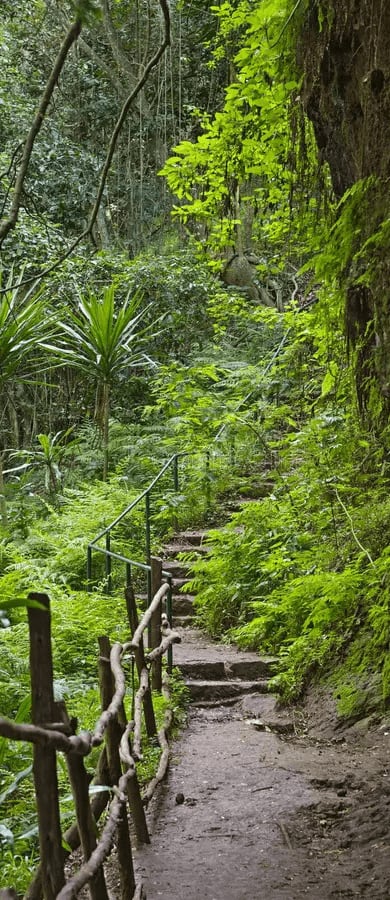
The authorities of Karura Forest struggled with extensive deforestation, together with unauthorized land takeover during the 1990s. Wangari Maathai, alongside environmental activists together with Nobel Laureate Wangari Maathai guided the forest conservation initiative, which centered on tree planting, followed by legal protection and eco-tourism initiatives.
The restoration process involved:
The restoration of biodiversity occurred through the planting of native trees, the installation of public walking trails together with picnic sites promotes sustainable utilization of the territory.
Forest management should follow a program that is governed by members of the local community.
Lawmakers fought land grabbers while seeking assistance from governmental bodies. Today Karura Forest exists as a growing ecological space which enriches both local economic conditions and provides recreational opportunities.
Conclusion
Urban development requires sustainable cities through the restoration of urban areas by landscape architecture. Special designs combined with community-oriented approaches transform abandoned areas into exciting urban resources according to the case research findings. Strategic cooperation between officials and designers, and community members will continue to be crucial for achieving sustainable development of urban areas.