How a grassroots mapping movement is reshaping the digital landscape of a continent
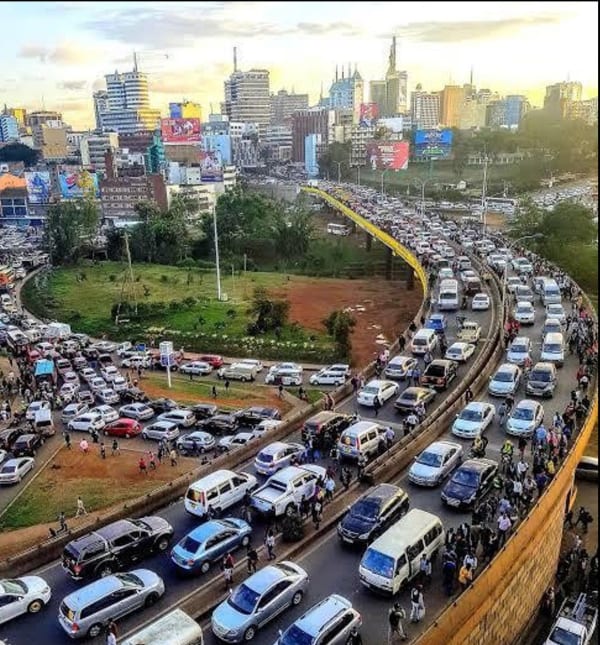
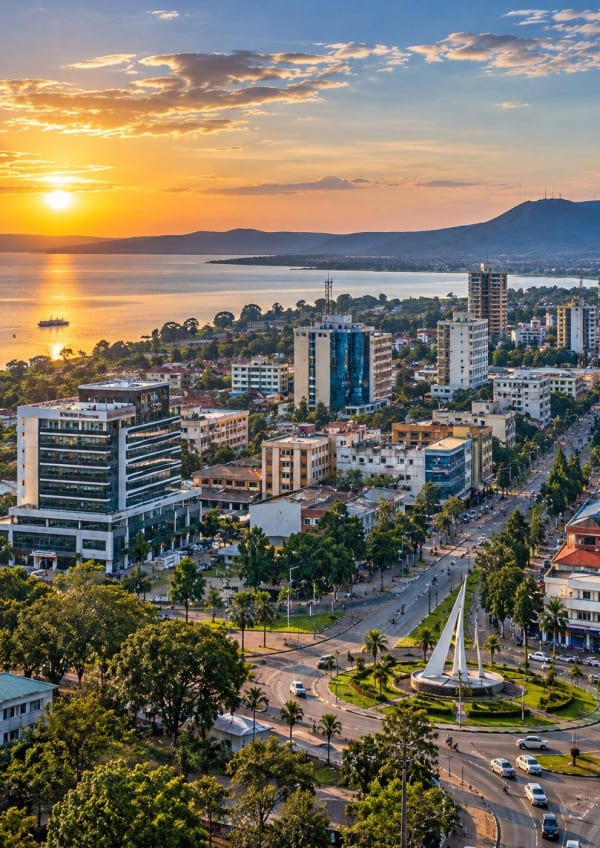
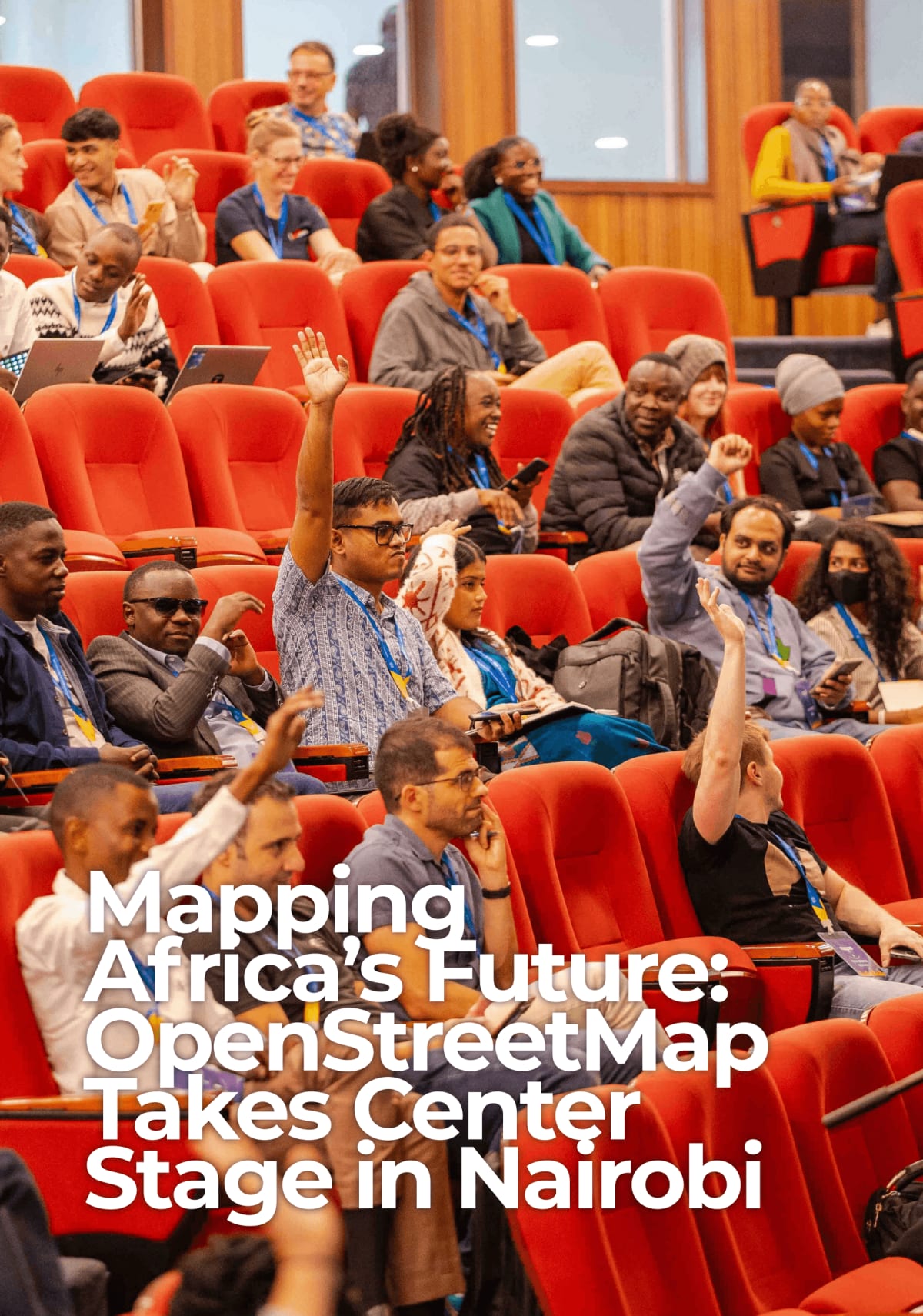
In the heart of East Africa, a quiet revolution in digital mapping unfolded this September. For the first time in its history, the global State of the Map (SotM) conference, the annual gathering of OpenStreetMap (OSM) enthusiasts, touched down on African soil. Nairobi, Kenya's bustling capital, played host to this landmark event, showcasing the growing influence of open-source mapping across the continent.
"As the first African host of the State of the Map conference, Nairobi proved to be not just a participant in the global OSM community, but a leader in shaping its future."
What is OpenStreetMap?
OpenStreetMap is a collaborative project to create a free, editable map of the world. Think of it as the "Wikipedia of maps," where anyone can contribute their local knowledge to improve the global dataset. This open approach has made OSM particularly valuable in areas underserved by commercial mapping services.
A Global Community Converges
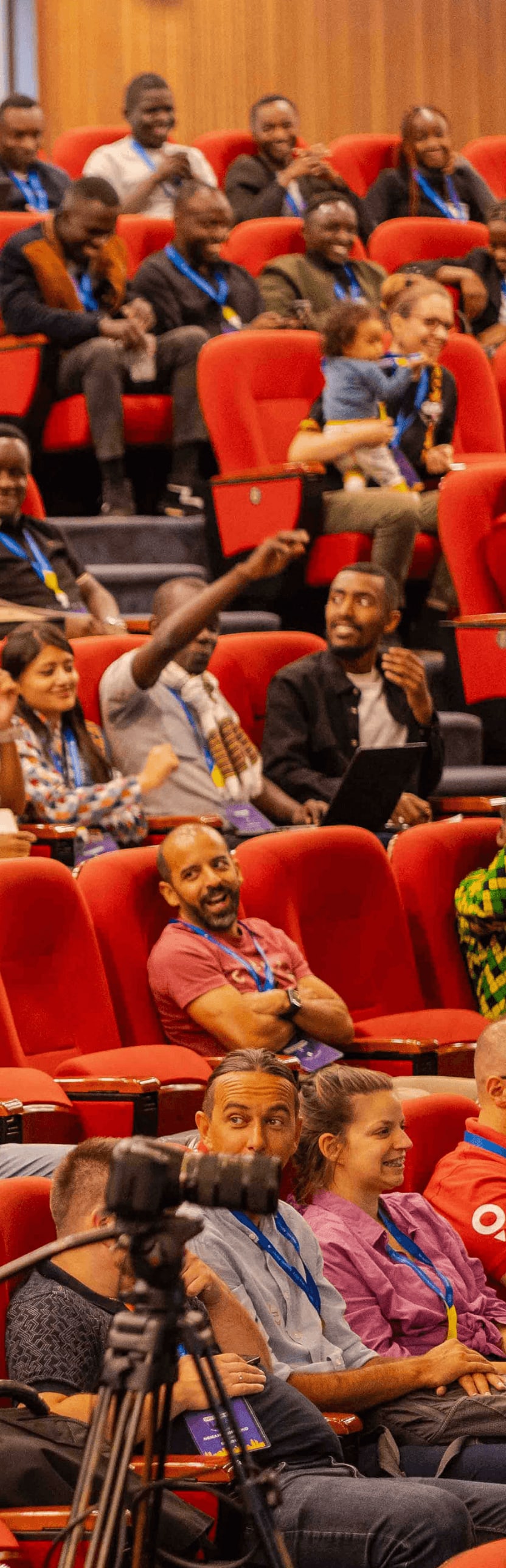
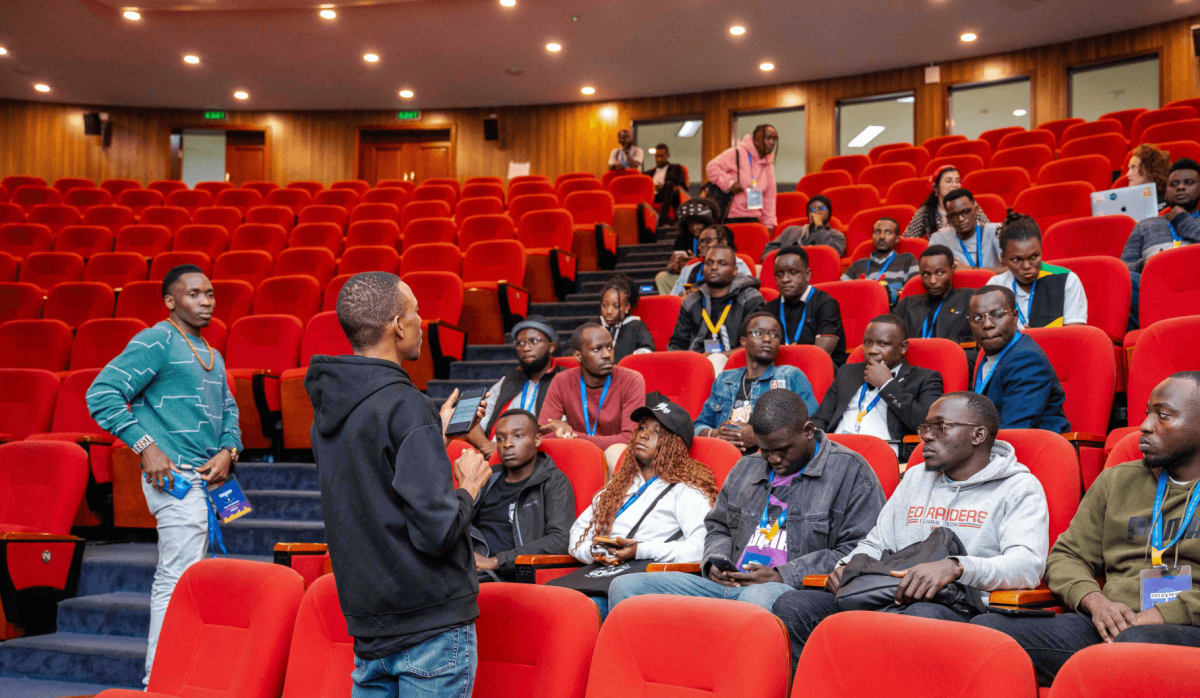
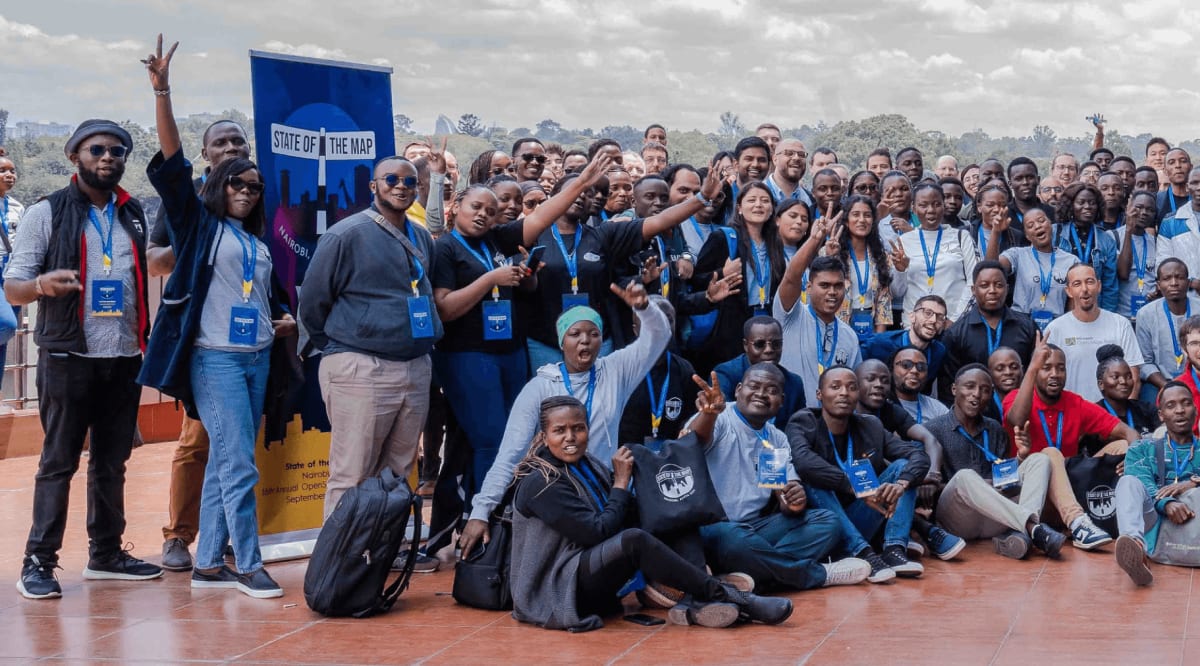
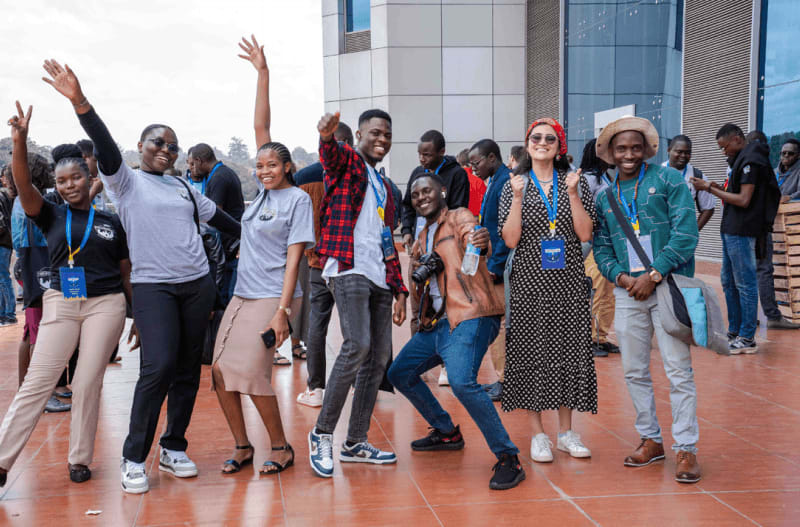
From September 6-8, 2024, over 200 participants from around the world gathered at the University of Nairobi Towers. The diverse crowd included local mappers, international OSM veterans, NGO representatives, and tech industry leaders, all united by their passion for open-source mapping.
The three day program was a whirlwind of knowledge-sharing and collaboration:
Day 1 kicked off with a grand opening, setting the stage for OSM's global impact.
Day 2 shone a spotlight on African mapping initiatives and technical innovations.
Day 3 brought a scholarly twist with a dedicated academic track.
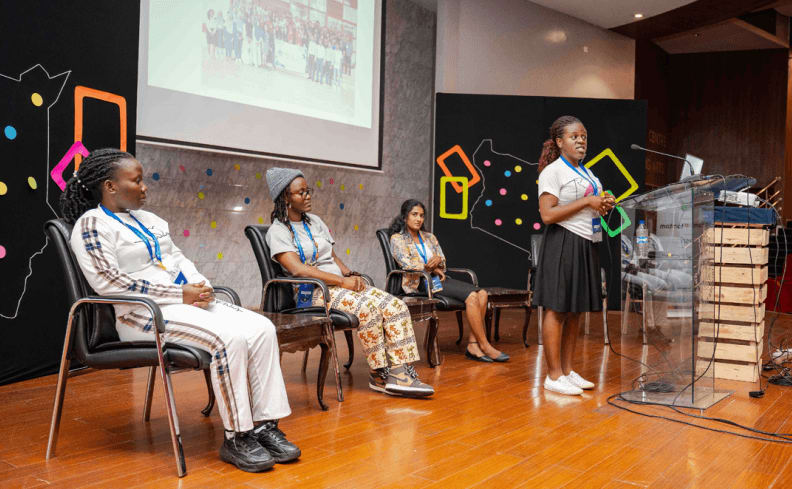
Throughout the conference, breakout rooms buzzed with impromptu discussions and planned sessions, fostering deeper connections within the community.
STATE OF THE MAP NAIROBI
Africa in Focus
The heart of the conference beat strongest when showcasing African innovation. Presentations from across the continent demonstrated OSM's real-world impact:
Zacharia Muindi and Laura Mugeha shared strategies for engaging high school students in mapping.
Walter Mayeku and Mary Muthee highlighted the growth of Kenya's OSM community.
Tanzania's Benedcto Adam introduced an innovative approach to data collection using customized tricycles.
Luis Sebastian Bravo Chacon demonstrated OSM's role in tropical forest conservation.
Enock Seth Nyamador provided a candid look at OSM's challenges and triumphs in Ghana.
"These sessions not only illustrated the practical applications of OSM but also emphasized the importance of local knowledge in creating accurate and meaningful maps."
Tech Talks and Community Building
The conference wasn't just about showcasing current projects. Cutting-edge technical discussions pointed to the future of OSM:
Sajjad Anwar and Wille Marcel explored cloud-native OSM for advanced visualization and analysis.
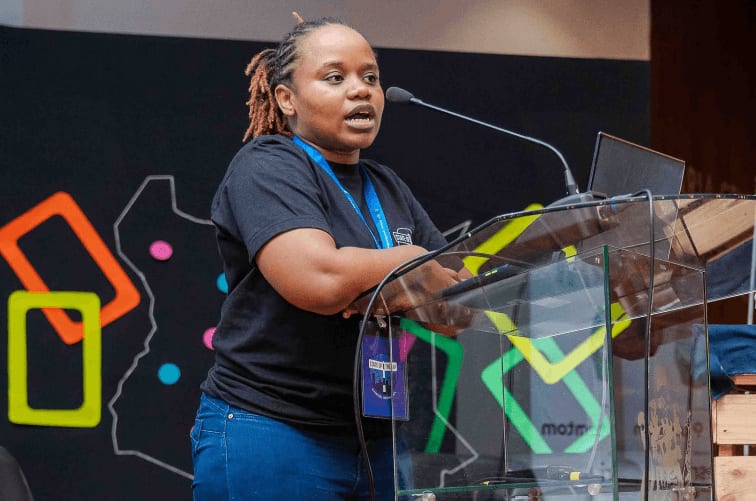
Markus Tremmel introduced next-generation vector tile formats tailored for OSM data.
Erick Mnyali discussed integrating OSM into Tanzanian academic curricula.
Diversity and inclusion took center stage in sessions like Anastazia Caroll's "Women in OSM Tech," addressing the critical need for representation in the tech community.
Bridging Practice and Theory
Sunday's academic track added a scholarly dimension to the proceedings. Researchers presented on topics ranging from the socio-economic impact of open mapping in developing countries to novel geospatial data analysis techniques.
Challenges and Opportunities
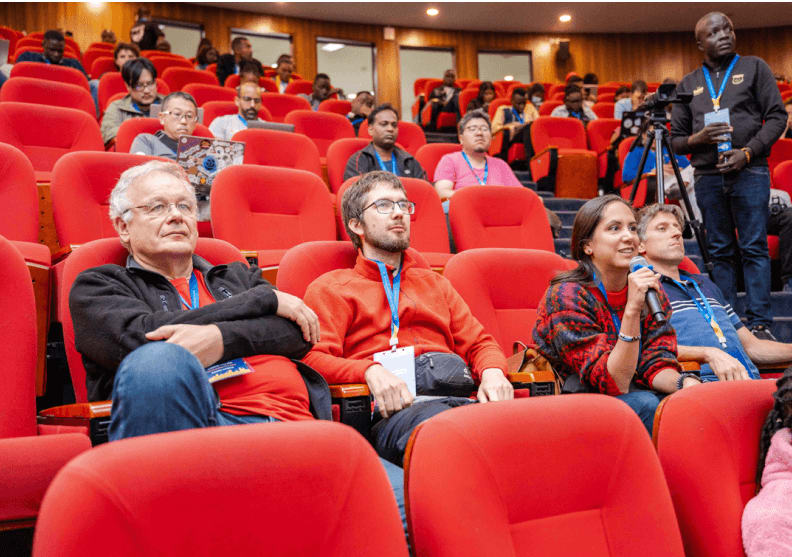
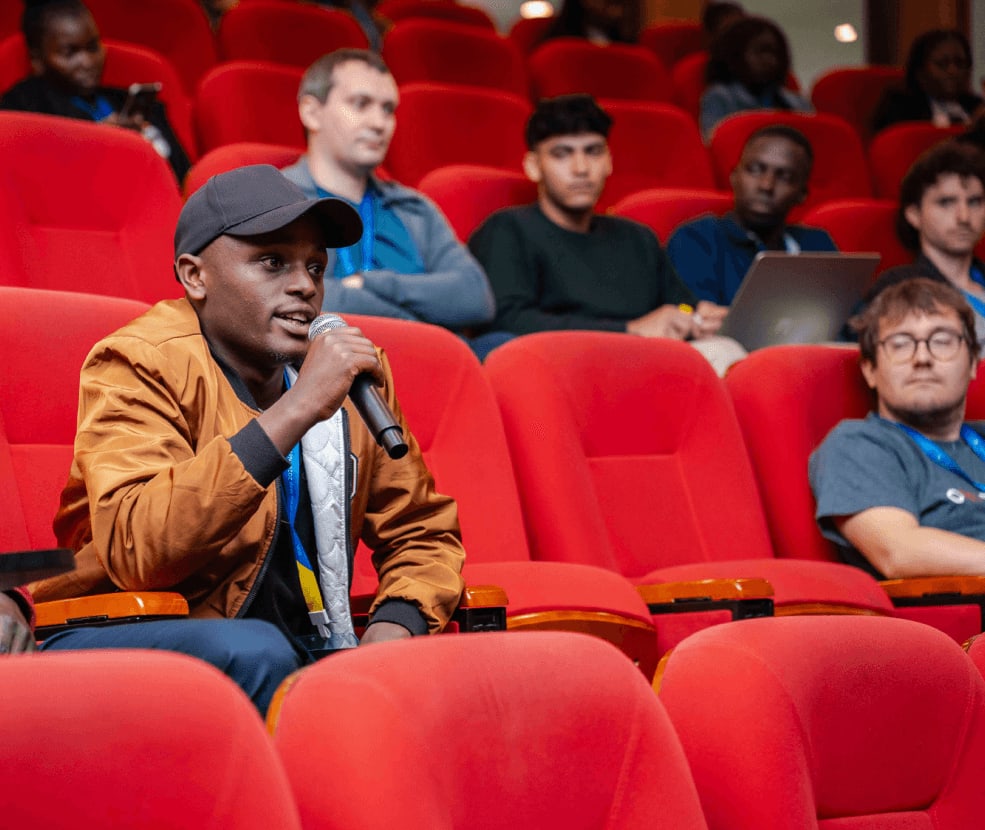
Panel discussions tackled the hurdles facing OSM in Africa head-on. Limited internet access, the need for localized training materials, and volunteer engagement strategies were all on the table. Yet, the overwhelming sentiment was one of optimism, with participants recognizing OSM's potential as a tool for development and disaster response.
Work Hard, Play Hard
It wasn't all serious business. Social events at the University Balcony and Baobox provided much-needed relaxation and networking opportunities, forging connections that span continents.
Looking Ahead
As the conference wrapped up on September 8, the excitement was palpable. State of the Map Nairobi 2024 will be remembered as a watershed moment for OpenStreetMap in Africa. By bringing the global OSM community to the continent and showcasing homegrown innovations, the conference has set the stage for increased African leadership in the open-source mapping world.
"The success of SotM Nairobi not only highlighted the vibrancy of the African OSM community but also reinforced the truly global nature of the OpenStreetMap project."
From grassroots initiatives to cutting-edge tech and academic research, the conference demonstrated the multifaceted nature of the OSM ecosystem. As attendees departed, inspired and energized, one thing was clear: the future of open-source mapping in Africa is bright, and its impact will be felt far beyond the continent's borders.
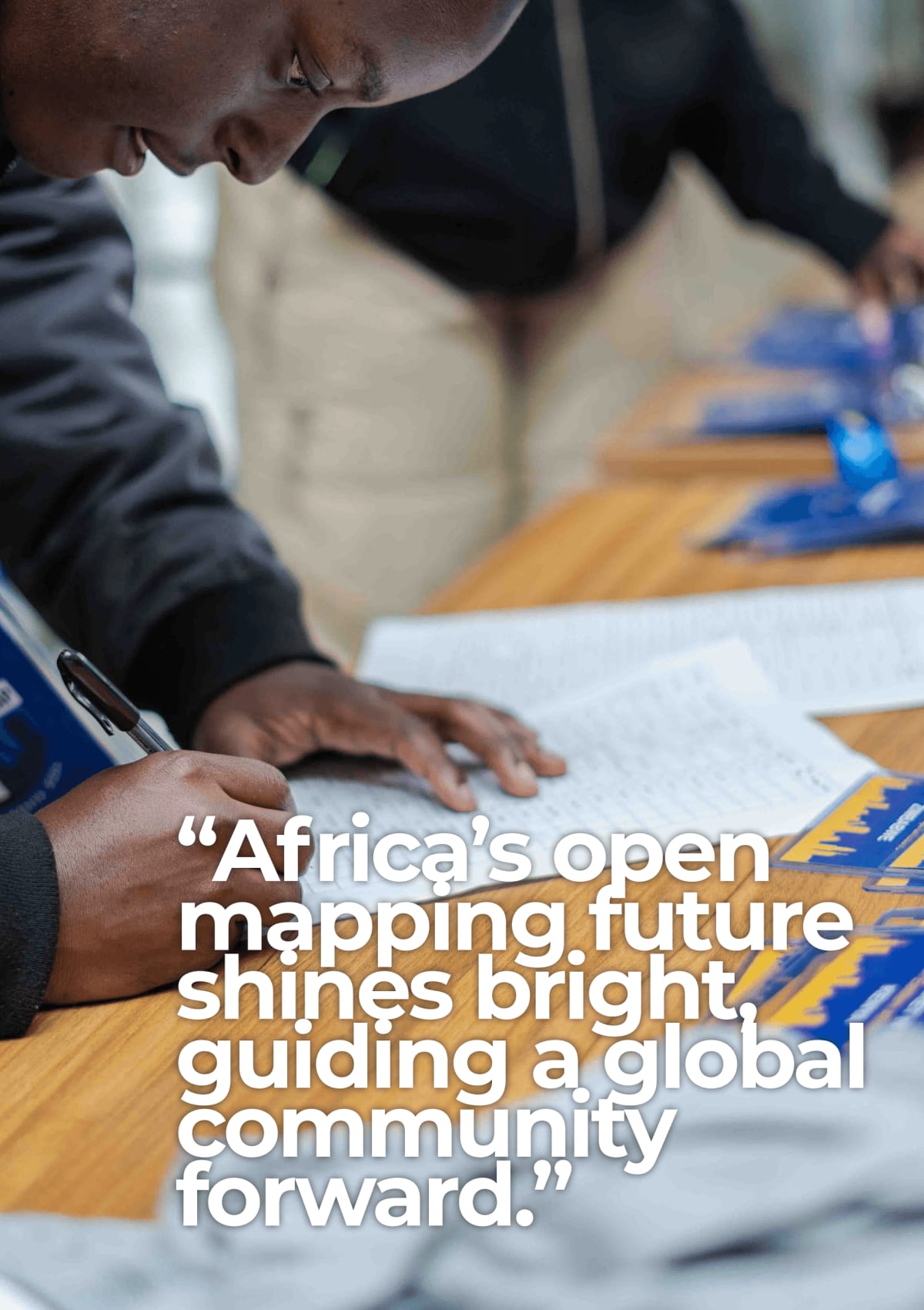
"Africa's open mapping future shines bright, guiding a global community forward."