
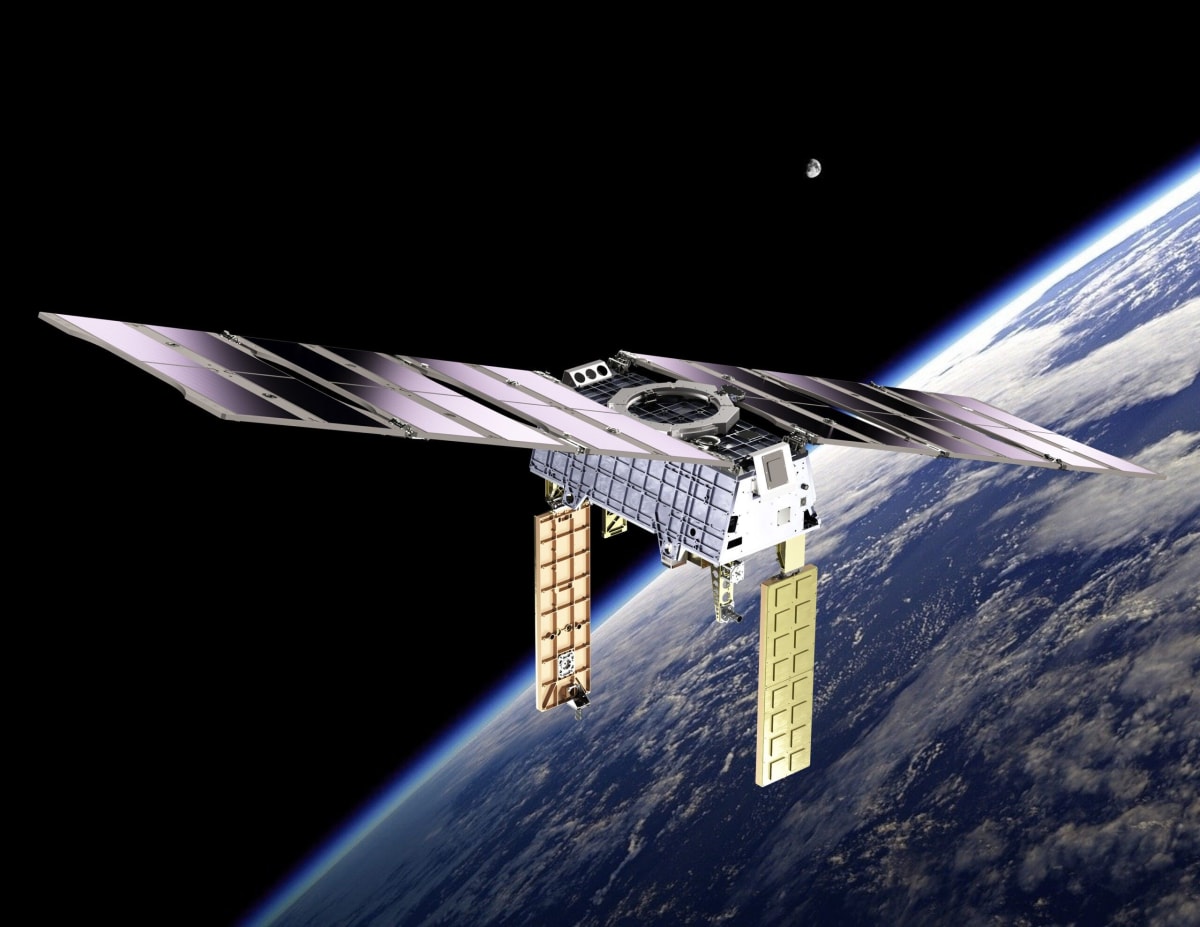
PlanetiQ launches second GNSS-RO satellite in October, nearing 20,000 profiles a day
US company PlanetiQ, which sells radio occultation weather data derived from navigation satellite signals, put its GNOMES-11 satellite into orbit on SpaceX's Bandwagon-5 rideshare on 20 October 2026, from Kennedy Space Center. GNOMES-10 had flown on Transporter-18 from Vandenberg on 1 October. GNOMES-11 has reached ground stations and is being commissioned.
Muon Space built both spacecraft and fitted PlanetiQ's Pyxis payload; they reached orbit about 10 months after contract signature. GNOMES-11 sits in a mid-inclination, non-Sun-synchronous orbit, increasing sampling over the tropics, subtropics and into mid-latitudes. Together the two satellites bring capacity close to 20,000 profiles per day. In late September NOAA's Commercial Data Program awarded PlanetiQ a task order worth up to $47.3 million for operational data. In an interview, CEO Ira Scharf pointed to demand from AI forecasting models and a plan for a constellation of 20-plus satellites.
Why it matters: Denser GNSS-RO profiles, especially over the tropics, add to the atmospheric data available to forecasting models. Because the new orbit covers tropical and subtropical latitudes, the data could eventually be relevant to African forecasting users, though no African customers are named.