
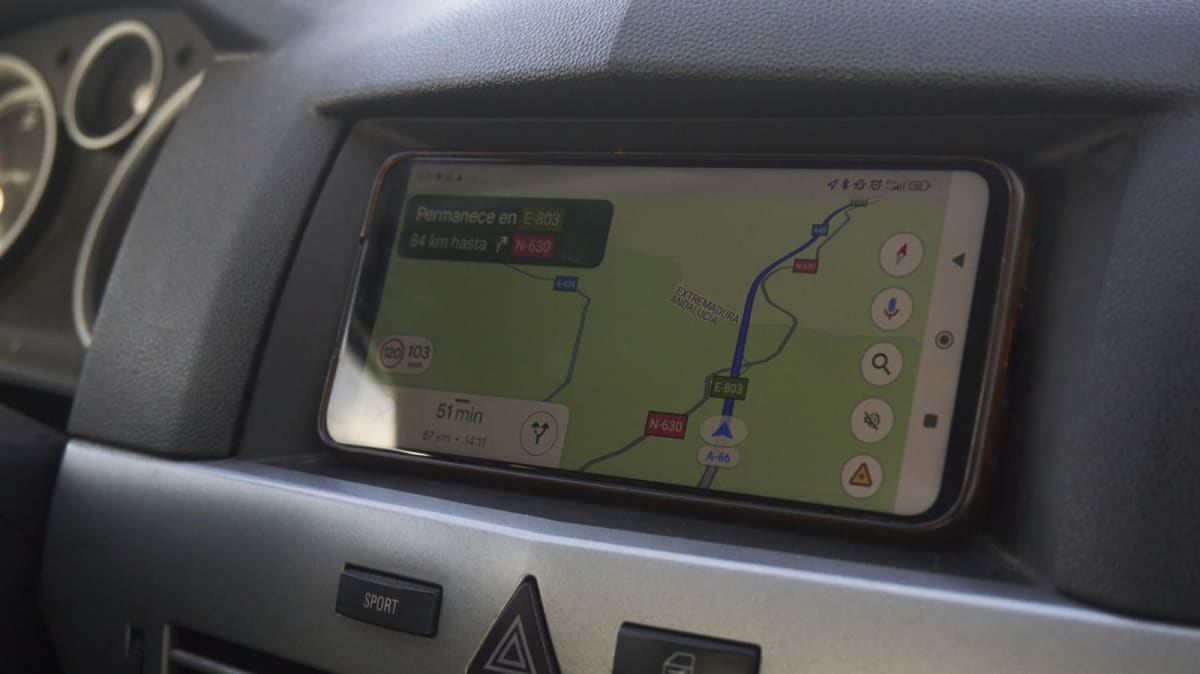
Explainer: GPS is one GNSS constellation, and most phones use several
An Engadget explainer published on 31 October 2026 sets out the difference between GPS and GNSS. GNSS is the umbrella term for satellite navigation systems, while GPS is the United States' own system within that family.
Other major constellations are Russia's GLONASS, the EU's Galileo, India's NavIC and China's BeiDou, with Japan's QZSS supplementing navigation in its region. The names reflect the operator, not where a receiver can use the signals.
The piece notes that modern smartphones typically carry multi-constellation receivers, even when specifications say "GPS". Phones and apps such as Google Maps also blend satellite fixes with Wi-Fi, cellular signals and motion sensors, which helps in built-up areas, under tree cover or in rough terrain.
Why it matters: Clear terminology helps practitioners read receiver specifications correctly: "GNSS-capable" signals multi-constellation tracking, which improves availability and reliability in difficult environments such as urban canyons and dense canopy, common across African survey and mapping work.