
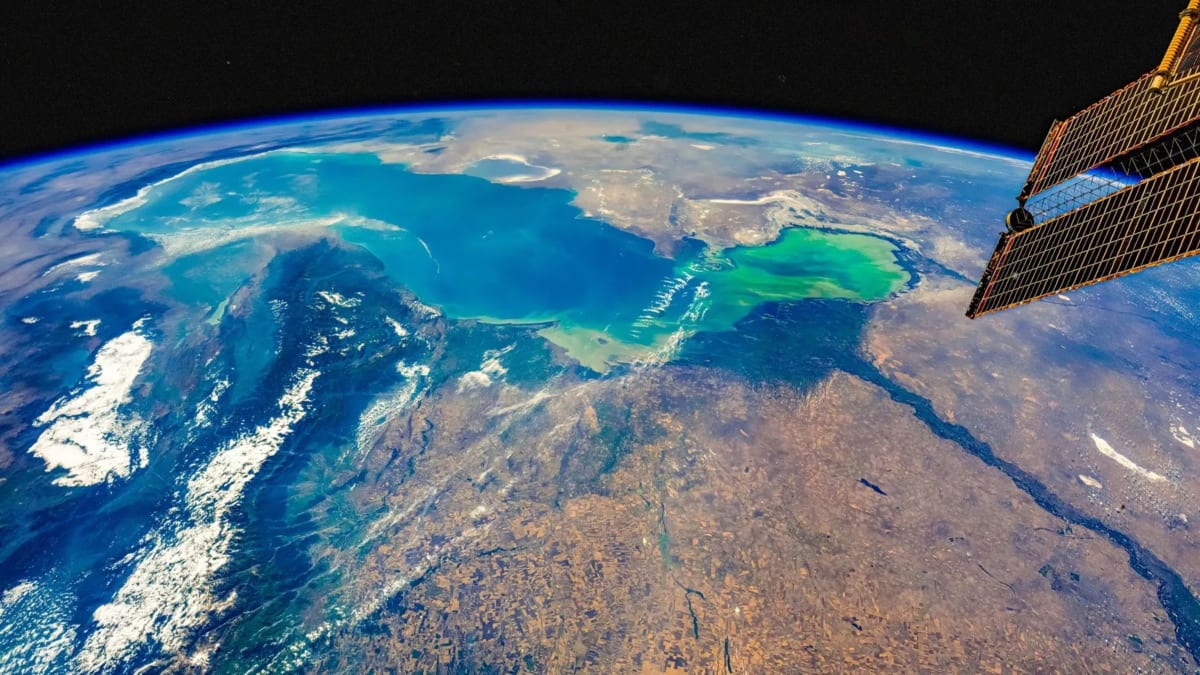
ESA's Earth observation chief on new missions, IRIDE and crowded orbits
Simonetta Cheli, ESA's director of Earth observation programmes and head of ESRIN in Frascati, Italy, discussed the agency's direction in an interview with Live Science, conducted on 2 October 2026.
She said ESA has moved from relying on partners' missions when she joined in 1988 to managing more than 20 missions at ESRIN, with over 40 more planned. Three missions launched in recent weeks: one on ocean influence on extreme weather, a vegetation fluorescence mission and Sentinel-3C. Eight more IRIDE satellites flew on 1 October, bringing the total launched to 39 of 68 planned.
Cheli said working-level cooperation with US partners continues, though joint attendance at climate conferences has stopped. She flagged rising collision-avoidance manoeuvres caused by commercial constellations and called for a legal framework covering private operators. Copernicus produces about 500 terabytes daily, and ESRIN's Space HPC is helping process it faster.
Why it matters: Growing Copernicus volumes, new missions and IRIDE data widen the free and institutional Earth observation sources available to practitioners, including in Africa, where ESA lists partnerships. Orbital congestion and shifting US cooperation could affect long-term data continuity.