Landscape Architecture in Urban Planning
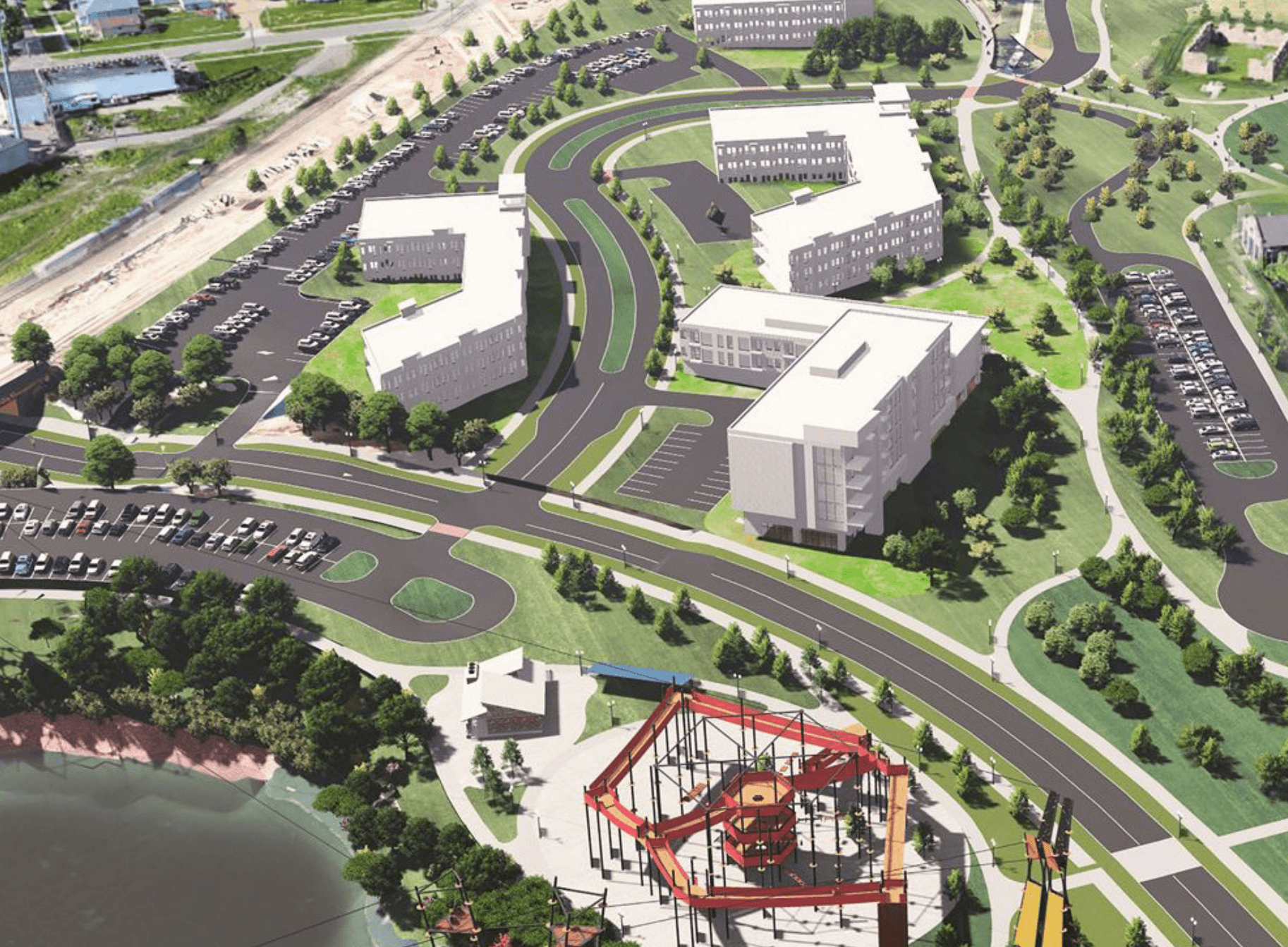
Urban Planning can be simply defined as the process of designing and managing the physical, social and economic development of Urban areas or the Planning and administration of the physical growth and development of human settlements such as cities, towns amongst others. Key elements of Urban Planning include:
Land Use Planning: How to organize the land use for residential, economic, industrial and recreational activities to formulate a dynamic and operational city environment.
Transportation Systems: Creating resilient transportation infrastructure that comprises roads, railways, bike paths, and walking trails is imperative for fostering mobility and connectivity in urban environments.
Infrastructure Development: Circulating strategies for vital services comprising the water supply, sewage systems, energy grids, and communication networks that promote urban growth and our daily living.
Housing and Community Development: Providing enough housing for multiple incomes and supporting appropriate housing solutions while creating lively and inclusive communities.
Environmental Sustainability: Consolidating ecological spaces, supporting energy thrifty infrastructure, and controlling waste and water resources to reduce the ecological impact of urban growth.
Urban Renewal: Revitalizing established urban areas that are losing vitality through redevelopment and reinvestment efforts, designed to improve conditions for living, create economic opportunities, and enhance the overall urban shape.
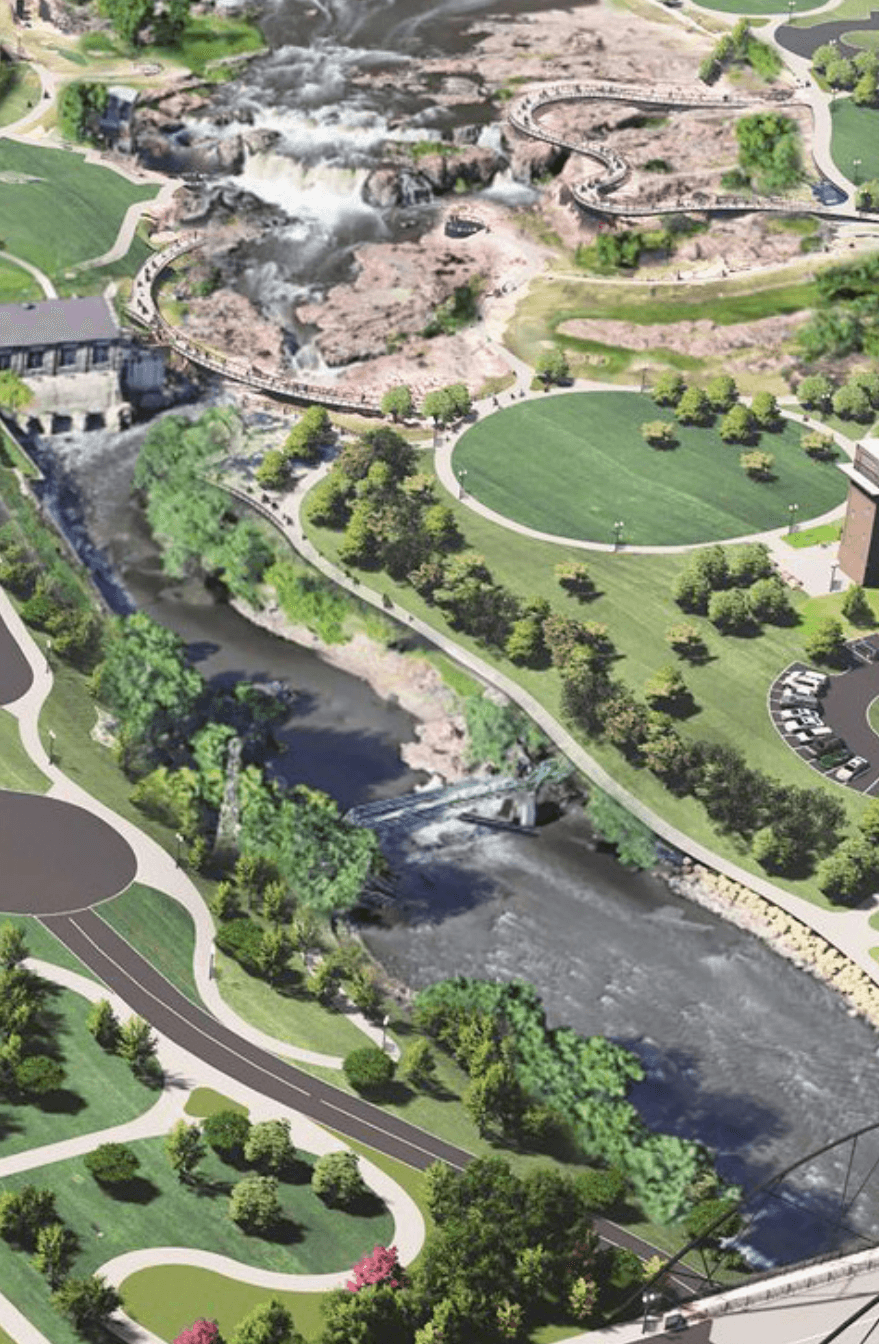
Public Spaces: Ordering parks, plazas, and recreational spaces so they enhance community involvement and develop the quality of life in urban contexts.
Developing enduring strategies for urban planning is the goal, which ensures that cities can maintain their livability, sustainability, and resilience during upcoming challenges.
On the other hand, Landscape Architecture combines the elements of art and science to generate sustainable, usable, and beautiful outdoor environments. The process of designating the layout of land, water, vegetation, structures, and other features to improve both urban and rural environments occurs within this framework.
The Key aspects of landscape architecture include:
Site Planning: Investigating the natural elements of the land and applying them to create practical spaces including parks, campuses, or neighborhoods.
Environmental Sustainability: Designs that emphasize ecological awareness will feature green infrastructure, storm water management, and an increase in biodiversity.
Urban Design: Improving cityscapes by generating public spaces, streetscapes, and greenways that build community engagement and elevate the quality of life.
Recreational Areas: To improve leisure and well-being, areas such as parks, gardens, playgrounds, and sports fields started to develop.
Restoration: Restoring ecological balance by means of upgrading natural landscapes and reclaimed industrial land.
In their work, Landscape Architects typically address projects that incorporate urban parks and plazas along with residential gardens and the endeavors of environmental restoration. The designs they produce are fundamental in molding sustainable and healthy areas for people and nature.
In this context, Landscape Architecture contributes significantly to Urban Design and creation of sustainable and habitable environments. While it is not limited to, creating landscapes such as parks and gardens, and connecting the built environment with nature for ecological purposes, beauty, and health. As urbanization advances, there is a demand for effectively designed areas to respond to the ecological, social, and economic issues.
Landscape Architecture and Its Relevance in Urban Planning.
As a specialization in Urban Planning, Landscape Architecture has close connections with Architecture, Environment and Civil Engineering. Landscape Architecture focuses on making sure that the spaces that are created in urban settings are not only pragmatically useful, but also visually attractive and sustainable whenever possible.
This is realized by designing green spaces, controlling storm waters, enhancing air quality, and providing recreational facilities. Landscape Architects, as designers of livable physical environment, shape more sustainable cities through integration of natural elements into infrastructure systems.
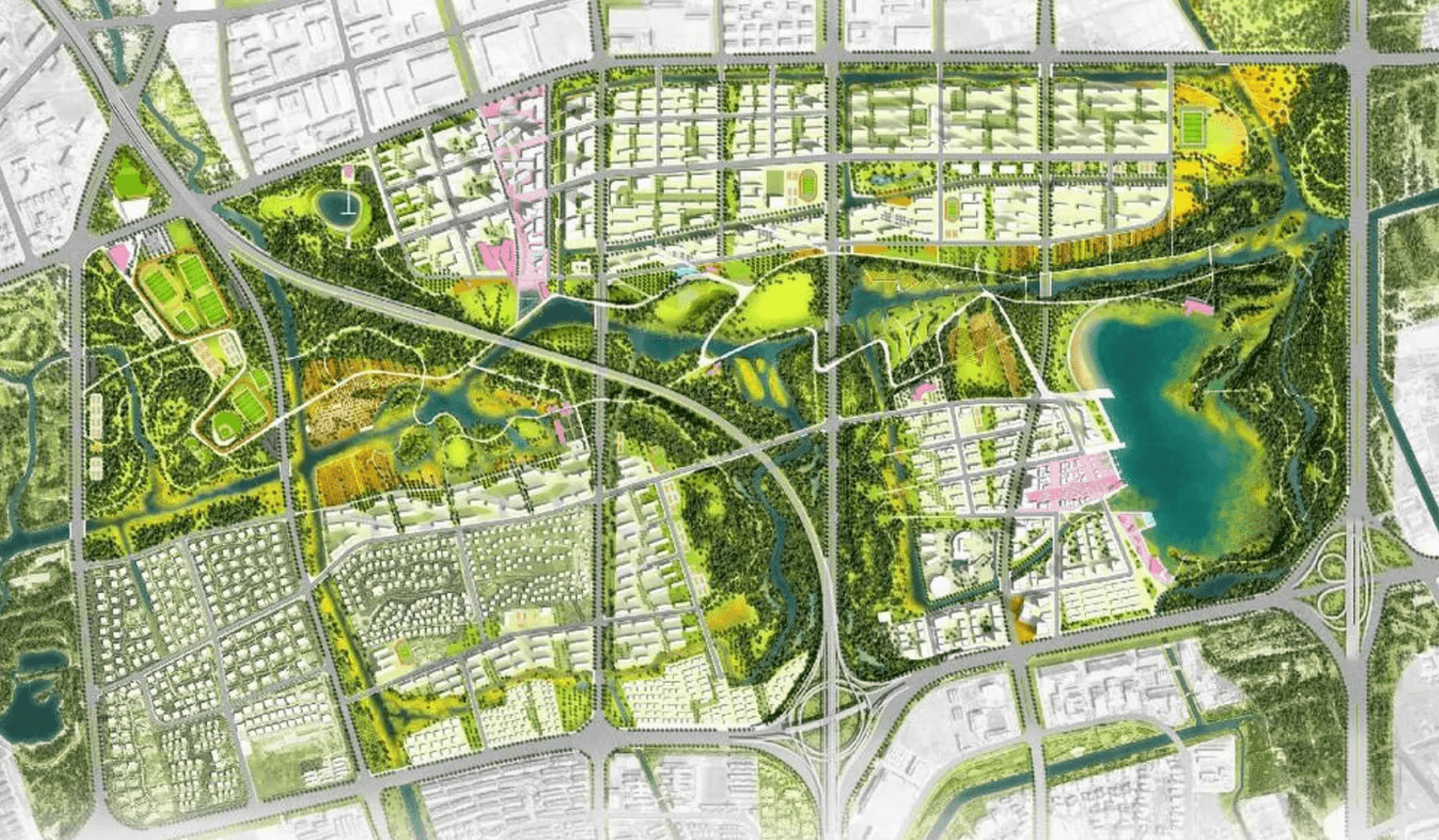
Effects of Urban Areas and Green Spaces.
Another area that has largely benefited from the profession of landscape architecture is the creation of open spaces. Parks, gardens, and urban forests are important lungs in urban areas and should be given significant importance. These green areas offer playgrounds for people and home the wildlife, contribute to the quality of air, and reduce the impacts of the heat island.
Well known parks like Central Park in New York City and Hyde Park in London perfectly demonstrate how properly and efficiently arranged gardens can help improve the inhabitants’ quality of life in large cities. Furthermore, the use of vertical and rooftop gardens is relatively new and unique in areas of the city where horizontal space is scarce. These green roofs and walls enhance aesthetics within the urban fabric and have functions as an insulator, storm water manager, and a species provider.
As populations increase, sealed surfaces such as concrete and tarmac become more and more common: runoff occurs more readily and flooding is more likely to happen. These aspects are tackled head on by landscape architects who integrate sustainable drainage systems, permeable pavements and bio-swales in representing the physical environment.
They are useful for handling storm water, mitigating flood hazards, and enhancing the rate of groundwater recharge. In regions where flooding is a regular occurrence, the landscape architects arrange flood plains, marshes, and water storage reservoirs to manage the intensity of excessive rainfall and rising water levels.
Resilient urban design is also a significant when concerning climate change outcomes. Landscape Architects pro-actively design sustainable methods by which these cities are able to manage for such occurrences that will not harm the natural ecosystems.
Landscape architectural approaches such as the Copenhagen and Singapore adaptations and strategies that consider the resilience of the urban green and landscape have been adopted in cities such as Copenhagen and Singapore for the resilience to flooding and other impacts of Climate Change. The integration of sustainability in the urban design is a new goal for the cities globally, and Landscape Architecture has been on the frontline of this change. Landscape Architects contribute to environmental health through designing spaces that can create a low carbon city and support biodiversity.
Another area where the profession plays a pivotal role is the consideration of diversity in the city’s landscape. They create such environments that are favorable to planting indigenous species and the local wildlife, thus fostering the kind of environment that may otherwise be dominated by concrete and steel structures.
Urban ecosystems, for example, generate services like pollination, pest control, and air purification, among others. Underpasses, overpasses, and revitalized rivers are examples of how landscape architects can reconnect fragmented habitats with urban environments. It not only promotes local conservation but also gives many residents a chance to interact with nature regularly, helping people become more eco-friendly.
Energy Efficiency and Carbon Sequestration
Landscape helps make cities energy efficient as elements of landscape act as barriers to the use of energy. For instance, trees and shrubs can prevent wind from blowing through the building, save energy on heating in winter, and provide shade, thus reducing the amount of energy required to cool the building in summer. Other green infrastructure like urban forests, green walls, and green roofs also play a role in carbon storage, thus lowering the carbon footprint within cities.
Physical and Psychosocial Impacts of Landscape Design in Urban Settings.
This indicates that Urban Planning is not only about designing efficient urban environments, but is also about the welfare of the people who live in those environments. Landscape Architecture is beneficial to physical and mental well being as it enhances the places where we exercise, rest, or meet other people. Green areas are claimed to describe stress, promote physical activity, and facilitate the interaction of people. Overcoming Sleeplessness.
Easy access to well planned parks, playgrounds, and recreation facilities promote an active life which is significant in preventing diseases such as obesity and heart disease. In addition, contact with natural environments can help alleviate stress, anxiety, and depression. Thus, landscape architects use the method of integration of natural elements and the living environment to create suitable spaces for the human mind.
Public green spaces also provide places for social contact where many and varied people are assembled and therefore create togetherness. High quality parks, squares, and walkways create areas for public functions, festivals, cultural events, and other informal meetings. Through creating welcoming and engaging public spaces as defined by access, landscape architects foster unity within cities.
However, there are several challenges associated with the application of landscape architecture in urban planning. Various challenges such as tight financial resources, limited space, and multiple demands sometimes prevent the actualization of Landscape Architectural projects in their entirety. In addition, the fast rate of growth of urban centers is placing tremendous pressure on resources hence development and preservation struggles.
Finally, considering the future perspectives, it becomes essential for Landscape Architects to think creatively and actively address the modern needs of cities. Population, climate change, and technology will influence the future of Urban Planning.
Landscape Architects will need to design new strategies for constructing environmentally friendly, resistant, and accessible urban environments. The development of smart cities with interconnected technologies may present new challenges for Landscape Architects and allow them to maximize the positive impact of green space.
Landscape Design has a perfect right to be considered as one of the branches of Urban Planning that has the primary responsibility for the functional and social aspects of cities and their residents. Landscape Architects embrace sustainable designs, social aspects, and links of green areas that enable the development of lively, healthy, and sustainable urban atmospheres. It remains worth pointing out that the role of landscape architecture in further development of sustainable urban environments will be even more relevant in the future.