How AI/ML is Revolutionizing the Conservation of Forests
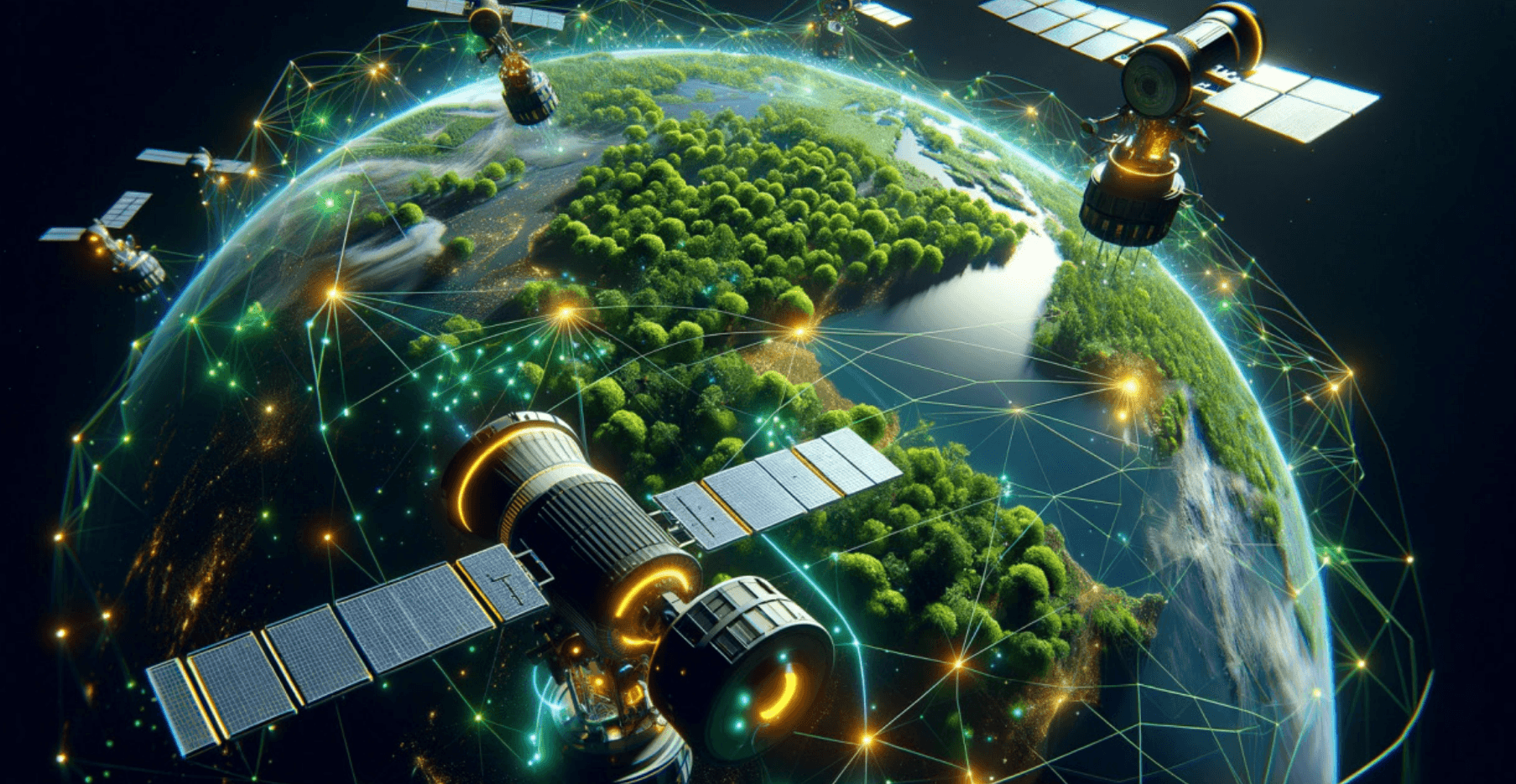
Forests account for 30% of the Earth’s surface and are the primary terrestrial biomes, including almost all terrestrial plants and animal species. Besides protective and environmental services, the forests perform other functions that seem critical for the effective functioning of the planet’s systems; for example, trees; can capture approximately 3/10 of the global emissions of CO2, maintaining the air free of greenhouse gases
They are vital in such a manner that they regulate water distribution, prevent or control pests affecting agriculture, and feed the global population. Also, they offer crucial medicinal plants and power approximately half of the global renewable energy.
They also significantly improve human and ecological preparedness or responses to sudden events such as floods or droughts and simultaneously protect the hydrogeological systems of various ecosystems. Forests primarily support billions of people through tree resources.
Unfortunately, some problems affect forests, including forest degradation through factors such as urbanization, agriculture growth, and timber usage worldwide.
In addition, climate change factors like wildfires are worsening the problem of deforestation across the globe. Research also shows that the global decrease in forest and carbon stocks is expected to continue in the foreseeable future. Forests are dynamic in themselves, and their management has to accept this as global administrations struggle to make revolutionary changes in line with nationally established targets and obligations.
This means that it would be easy for technology to replace techniques for collecting and analyzing data, which have many shortcomings and are critical to effective forest management and conservation. The fundamental strength of technology from this perspective is that it encourages innovation and can help with the fast optimization of some or many of these innovations across multiple contexts and sizes simultaneously, which is a significant advantage for the forest industry.
AI/ML aid conservation and support the retention of our world’s biodiversity. They are capable of creating equipment or devices that improve, mechanize, and expedite activities that human intelligence would otherwise perform. This comprises recognizing oddity, foreclosure, and patterns.
Advanced computation, technology, and research have enabled increased adoption of AI technology in various fields, including forests and species conservation. This increased adoption has been possible for several reasons. First, insight generation and decision making have been enhanced since information is produced and made available more quickly. Second, owing to the ubiquitous use of cloud technologies, users can quickly test and engage in research using complex solutions at scale.
This results in lower costs as far as computation and data storage are concerned. These developments were founded on the growth of the availability of rounded data that resulted from human centered data, high quality satellite images and sensors and telemetry technologies, drone and camera technologies, and so on.
Internationally, the integration of AL/ML algorithms with geospatial analysis is being applied to track deforestation trends. For example, most organizations reveal real-time deforestation mapping and observation through artificial intelligence embedded interfaces and accessible satellite images.
The responsible authorities can listen to chainsaw sounds or recognize unlawful cars using audio recognition AI systems.
They can then email authorities about the issue at hand on the same device almost instantaneously. Moreover, integrating advanced image technology with daily satellite image datasets obtained from various satellites could provide low cost satellite datasets to manage natural areas efficiently.
Detailed evaluations of the forest structures and enhanced forecasts of the forest stock are observable by GIS data, imagery, climate, atmospheric parameters, and AI.
In addition to forest degradation, deforestation accounts for more than 10% of carbon emissions. That is why in developed nations, geographical analysis has been synchronized with AL/ML algorithms to track and predict deforestation rates. For instance, some organizations provide maps of real time deforestation and observation through intelligence and open satellite data. In addition, digital intelligence and artificial intelligence (AI) in automation can quickly identify strategic areas for cultivation of diverse plants, launch pre-programmed seeds and nutrients to enhance growth and survival for improved reforestation.
Although 2D and 3D visualization programs and applications have been developing at a breakneck speed recently, CAVE2 imaging technologies as well as sophisticated XR and VR technologies are still infrequently used in simulations of forest conservation.
Pruning, thinning, replanting, and tending are examples of practical forest conservation techniques that are essential for many reasons, including retaining water, preserving the balance of the forest ecosystem, fending off climate change, lowering greenhouse gas emissions, and being windproof.
Numerous customized tools for visualizing forests have been developed in the past, including the Virtual Forester, SVS, Balance, and Smart Forest. These products, nonetheless, lack the sensory input and quantization of the stand disturbance and instead concentrate on building models at the landscape, tree, and stand levels, as well as environmental and topographical elements. The enhancement and functionality possibilities of interactive sensory thinning simulation are usually given little consideration.
Furthermore, it would take years to observe how forest conservation techniques affected the ecosystem or stand composition. At present, by employing smart interactive programs and 3D engines, it is feasible to precisely and thoroughly portray forest development processes and 3D data owing to advancements in AI-based image processing and graphics technology.
For example, real-time structural indices prior to as well as following thinning can be computed by the digital twin (DT). In addition, the DT can estimate individual tree development and show updated forest structure data on the console by integrating a growth model. The forest DT’s whole operating cycle becomes repetitious, totally automated, and demands little human intervention the foundation for non-biased decision-making input.
Another element of the forestry industry undergoing a change process is collecting inventory data. The climate sensitive forest sensors have been developed to be connected to the Internet, so the management of forests and conservation activities will be significantly improved by the new methods for accurately collecting and analyzing detailed and accurate data.
These sensors measure temperature, moisture and many other parameters, giving almost real time information about the state of activities in forests and ecosystems. This information is used to build models for the state of forests and possible threats involving storm damage, water scarcity, diseases, wildfires, pests, soil health, and other calamities.
Moreover, the prohibited trade in timber is equally lucrative as the black market trade in wildlife. The illegal production and sale of timber cause deforestation, releasing a lot of carbon emissions. In addition, this practice endangers tree species like mahogany, rosewood, and dipterocarps trees. The prohibited trade of timber puts pressure on and cuts global prices by approximately 10%.
Some critical solutions for regulating the wood supply chain against this practice include employing AI technology, space technologies, supply chain mapping, automatic data collection from Earth Observation and the Internet of Things, and blockchain.
Moreover, as the world population rises, there is a rising need for wood and non-wood forest products in the market. Consequently, the sector faces challenges like the intensification of pressures from competition, unpredictable shifts in demand, and supply risk. As such, researchers are looking into systematic and deliberately developed technologies employing AI algorithms for demand and supply challenges concerning the sector. These technologies focus twofold: on usage of forest resources and conservation of these resources’ sustainability.
Frequently, people research the aspects of forests that contribute to various types of animals living in them, and that is why identifying the efficiency of existing interventions is essential.
The role of AI technology is crucial in these efforts, where the following is a key recommendation: Diverse conservation activities have been designed and implemented to aid in determining the effects of conservation on biological diversity, and to support this research, scholars have developed sophisticated self-contained systems for acoustic monitoring of the ecosystems.
For example, small sound recorders are concealed in diverse places within the forest to study the reaction of animals to nature-caused factors like deforestation and human caused factors like poaching. Many of these devices record sounds from the forest and analyze them to establish species’ calls and their changes in activity patterns.
A global database has been created to collect the results of projects occurring worldwide and provide analysis tools for these datasets while emphasizing conservation success stories. The applied features of this innovation can be tangible for understanding species’ reactions and the efficiency of actions resulting from the disruption.
For example, some studies have used ML to classify vibration data from approaching trains for timely alerts to avoid fatal runs on wild animals in Canada, principally grizzly bears that fall victim to trains. When the categorizations were programmed into the sound and light signals before the arrival of every train, the scholars noticed that the animals moved out of the tracks hours before their usual time.
Besides, the critical use of visions for detecting wildlife has also led to the extensive implementation of AI automation to identify wildlife species. For instance, a heat and motion sensitive camera captures images, which results in a million photo or video shots over a large region. Using AI, this data can be analyzed to identify the various species accurately and also locate them.
Species and individuals must be distinguished in conservation activities to evaluate the biological continuum and manage human wildlife interactions. For example, farmers can be informed of events where elephants are seen near fields and human settlements using automatic capturing devices and image analysis tools to prevent risks like crop loss, animal attacks, and death.
Moreover, these systems can also recognize specific tigers that become accustomed to contact with people, raising the probability of adverse effects.
Comprehending the relationship between forest management and forest hydrology is critical: surface and sub-surface water pathways, nutrient cycles, and precipitation influences are vital to forest productivity and water quality.
More data about ecohydrological parameters are obtained through better and higher performance of sensors, including GIS technology, smartphones, remote sensing, and self-driving systems. For instance, AI coupled with ML has been applied to determine how forest canopies filter rain, canopy retaining capacity for moisture, variations in the moisture of different areas and at various intervals in mechanical regions, and direct evaporation on a global and local dimensions.
They also facilitate the assessment of vegetation water storage, evaluation of plant water deficit, and vegetation coverage for groundwater. The development of extensive hydrological data in the recent past based on remote sensing and data integration enhanced the use of ML for LSM, where the latter focuses on the investigation of LSM as the water exchange between land and atmosphere, including groundwater. In the past half-decade, AI/ML and big data have helped predict extreme climate conditions, including impacts such as landslides, droughts, and floods relating to forests.
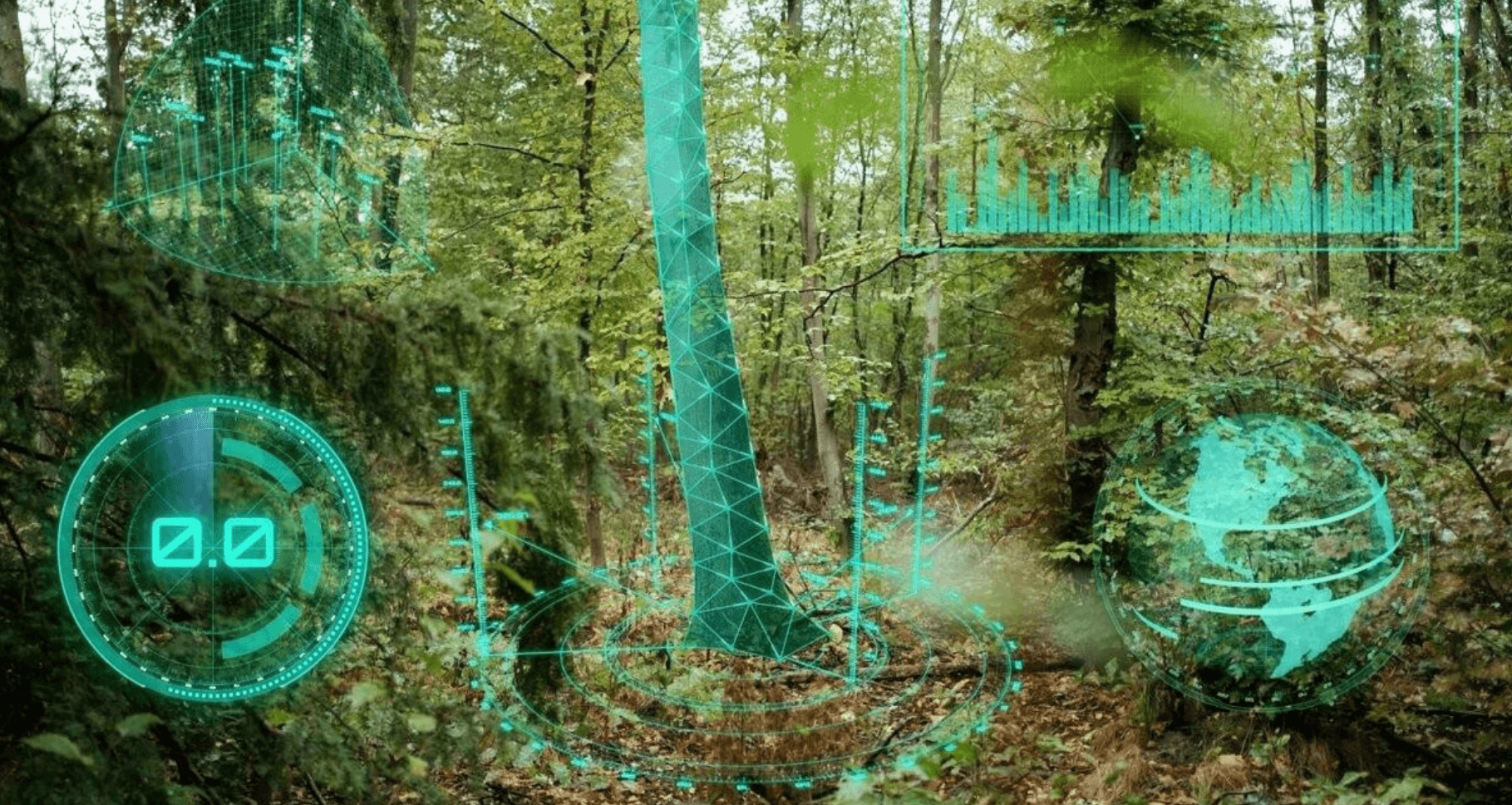
Work has been done to enhance the prognosis of terrestrial eco-hydrologic extremes, including TWS, evapotranspiration, streamflow, and soil moisture over seasonal to decadal time scales through AI technologies. Such technological developments, data, and modeling of these work-in-progress are gradually redefining the hydrological dynamics of forests and watersheds with policy and management implications.
Furthermore, there is significant interest in employing AI and ML paradigms regarding water supply and demand to maintain aquatic and marine species diversity. Forest firefighting and management, erosion and sedimentation effects on rivers, water quality, pollution, toxicology levels, aquatic and marine species distribution, and habitats have been predicted and described using these models.
Prior research indicates that AI will be instrumental in new technologies for conservation plans and in defining risks to water and marine environments. By using these concepts, optimal monitoring and conservation of water resources, aquatic species, and marine life forms will be done efficiently to meet global issues such as efficient water resource utilization, protection of species diversity, and development of accessible, easy-to-manage freshwater and marine systems models.