
Sustainable development refers to the approach in which resource utilization should satisfy the current generation's needs with spiritual regard toward the ability of the other generations to satisfy their needs. At the core of this vision is the efficiency of the land, a scarce but strong resource in human endeavor. Landscape architecture and urban planning act as fundamentals in planning and managing sustainable land use systems for an enhanced environmental balance, social justice, and economic welfare.
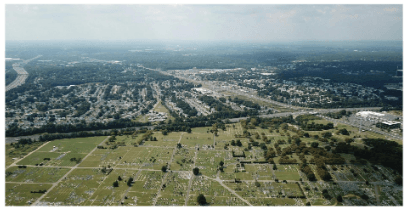
Land that everyone in one way or another uses relies on for housing, food security, and economic activities, and supports wide and complex ecological processes. However, natural resources and especially land limits remain constrained because of uncontrolled urbanization, deforestation, and poor management of resources.
Urbanization is on the rise with many city expansions taking place through tearing down forests and other natural habitats reducing the spaces available for holding diverse forms of life and regulating the atmosphere. All these challenges point to the need to adopt sound and responsible systems for managing land.
The issues in question are all best solved by a simultaneous application of design and planning skills, which are the specialty of landscape architects and urban planners. They are important for bridging ecological science, architectural design, and technological advances in developing spaces that factor in human growth and conservation of the environment.
New approaches to architecture and infrastructure, landscape management, and rational use of territories represent the basis of sustainable strategies. These approaches are geared towards developing ways of managing ever-ever-expanding population, minimizing or avoiding negative impacts, and promoting active living health, and prosperity.
In addition, the practice of green infrastructure and ecosystem services in cities has created a new image of the interaction between cities and nature. Landscape architects guarantee that land is constructive, useful, and sustainable to human and ecological advantage. The subsequent sections concern the primary approaches and ideas that landscape architects use to implement environmentally friendly land use, such as smart urbanism, regenerative landscapes, and sensible conservation.
People's Interactions, Smart Urban Design, and Sustainable Urban Expansion
Cities' expansion remains an unexampled process that brings real possibilities for development but sometimes becomes a question of the sustainable existence of countries or regions. Sustainable urban planning offers strategies that help in addition to a city's growth to reduce the harm done to the environment.
Green Infrastructure
Green infrastructure characterizes the foundation of sustainable urban territories. Landscape architects and planners proactively address ecological issues inherent to the urban built environment by incorporating natural elements like parks, green roofs, permeable pavements, and urban forests into the built landscapes to support vital ecosystem functions such as water purification, air filtration, and moderation of temperatures. They do not only respond to environmental issues but also positively affect the quality of life of dwellers.
Climate-Resilient Cities
Climate resilience plays a significant role in current urban planning. Hence, Landscape Architects and Planners are using natural solutions to mitigate problems such as floods, heat, and landslides. For example, urban wetlands and bio-swales prevent water surcharge, and greenery planted systematically decreases the urban heat island phenomenon. Climate change has made it necessary for cities to ensure that they spend on climate-friendly infrastructure to make the city habitable regardless of the prevailing climate change.
Regenerative Landscapes: Balancing Ecology and Development
The application of regenerative landscapes is different from the conventional means of land use and management. Instead of just seeking to reduce harm to the environment, these goals are intended to heal and enrich an environment that has been negatively impacted over time and mainly because of human activities such as land development for other uses such as agriculture, and expansion of cities among others that have led to deforestation. These landscapes concentrate on putting into practice the healing of the ecosystems to harmonize human operations with nature.
Ecological restoration is at the center of regenerative landscapes. It includes the process of replanting local species of vegetation, enhancing the quality of the earth's topsoil, and changing closed water systems, thereby increasing the stock of bio-diversity and delivery of ecosystem services. In addition to providing a healthier environment, regenerative landscapes improve ecosystem conditions that in turn affect the resilience of the landscape to climate change and ultimately reinstate natural habitats.
Besides ecological points, regenerative landscapes involve sustainable land utilization as well. These landscapes sustain human needs for food for both animals and human beings, recreation facilities, and even the provision of habitat for people and all intensive uses of the landscape in the minimum impact approach. These landscapes then include concepts of regenerative design including the use of renewable sources, energy-efficient construction and farming, and other features that can improve the balance of man and his environment.
Regenerative landscapes present a globally feasible approach and a set of tools to prevent and reverse the above-mentioned difficulties interrelated with the environment, bio-diversity, and climate, as well as to support human settlements and enhance their quality as close to nature as possible and, therefore, sustainable. Taking lots of time to listen and consult and embracing longterm ecological stewardship, regenerative landscapes provide a picture of the future in the present.
Case Study: Multiple uses of landscape in urban environments
The motivating practice regarding regenerative design is the revitalization of abandoned and formerly barren city areas into diverse-use landscaped areas. This change has become apparent in many cities like Singapore and Copenhagen where some of the ruined industrial regions and other areas of blight have been transformed into socially, ecologically, and recreationally relevant urban greening. These projects are an ecological kind of urban development that offers the solution to issues of unsound urbanization, pollution, and destruction of ecosystems.
A real-life project concerning this approach is 'The Gardens by the Bay project in Singapore.' This large-scale city revitalization plan created the world's largest contemporary environmentally sustainable ecological landscape and community-cultural undertaking on 101 hectares of land reclamation. It was planned to solve several issues that many urbanized states have – lack of open areas in a concentrated territory, the project needed to solve several issues that many urbanized states face, the main goal was to help Singapore become a "City in a Garden."
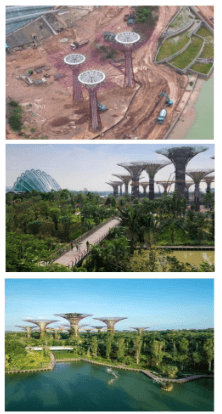
The Gardens by the Bay project, completed in 2012, consists of three main areas: These subdivisions include Bay South Garden, Bay East Garden, and Bay Central Garden. Nonetheless, this project offers a fair uniqueness because it focuses on the multifunctionality and sustainability of the product. The built space was planned to carry out numerous tasks— ecological, social, recreational, and esthetic while integrating nature and the city.
Ecology and Environment
One might refer to the Gardens by the Bay project as a clear example of how islands of greenery in mega cities can perform ecological functions. In the gardens, there are more than 1.5 million plants, and there are many species from different countries. Besides setting gentle nature homes for plants and animals, gardens featured some recognized facilities such as Super Tree Grove, the stunning tent-like giant columns implemented themselves as expressive symbols of the park and at the same time efficient energy sources. These Super trees have been fitted with solar power to provide electricity to the gardens while the gardens collect rainwater to use in the gardens.
There are an increasing number of social and recreational activities which people prefer to engage in. Gardens by the Bay was also developed to improve the standard of living of the people and tourists that pay a visit to the place. The gardens are accessible to the public and have numerous opportunities for recreation and leisure activities the tours of the gardens to walkways, gazebos, lawns, play areas, and event spaces or concert grounds. This design is suitable for such activities as jogging, cycling, and open-air bids making it easy for people to conduct themselves in the middle of the city and see green landscape.
In addition, the project is growing into a major social and cultural venue, due to its location near important areas such as the Marina Bay Sands and the Marina Bay Financial Centre. This public space welcomes the residents as well as visitors, and hosts community, education, and cultural events. The green systems, which are developed in the context of the city, afford the residents a chance to engage in social interactions and cultural interchange as well as to foster their sense of belonging.
Health and Wellbeing Impact
Elements of urban green are well documented to enhance the quality of air with less noise and offer opportunities for nature encounters. It has been proven to have therapeutic benefits on the mind; it relieves stress and anxiety and boosts well-being. People live in congested environments thus the establishment of Gardens by the Bay serves as a source of comfort in the middle of the urban density. Through Gardens by the Bay, we get to learn how integrated green spaces in different functionalities help shape the lives of urbanites.
Economic and Cultural Importance
From an economic perspective, they have assumed tremendous importance in the tourism sector of Singapore's economy. Having millions of visitors each year, the project helps to produce more revenue to contribute to the economy in Singapore and establish Singapore as the world's leading country in the field of sustainability and innovations. In addition to the tourism industry, the gardens are shown to have a significant part in improving property values of the adjacent locations, and in addition to that, create opportunities for business ventures and organizations in the community.
In terms of culture, the Gardens by the Bay project represents the promise of Singapore's sustainability of incorporating gardens into the city developments. However, it has a knowledge function and is designed to raise awareness of the audience with such issues as saving energy, preserving vegetation, and supporting the variety of species. The gardens are used in hosting cultural activities such as flower festivals, art exhibitions, and environmental activities thus playing a massive role in boosting the cultural importance of the community.
Conclusion:
Gardens by the Bay is an ideal way to showcase how regenerative landscape works best in providing ecological restoration recreation social gatherings, and sustainable practice in an urban environment. This project has been of great help in scaling up an abandoned piece of land and putting it into several productive and communal uses, within the natural realm. By converting an empty plot of ground into a green area, Singapore has made the way for other cities around the globe.
With the increasing areas of concrete jungles, Gardens by the Bay is a great example that given enough vision, dedication, and sustainable thinking, it is possible to build cities that can incorporate the strongest points of the gardens while rejecting the negative ones. Such projects make it possible to strive for cities fit for living and at the same time can help nature renew itself and become a home to people.
Nature Conservation and Proper Use and Management of the Land
Sustainable land use includes the conservation and utilization of natural resources. Landscape Architects and Planners are crucial concerning sustainability conservation and managing the impacts of the development of the natural environment.
Protecting Natural Habitats
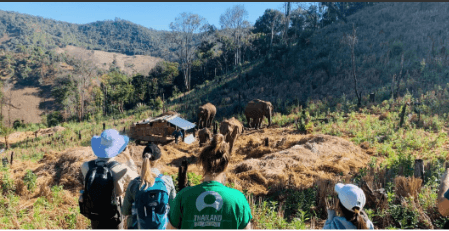
From the site data, Landscape Architects and Planners can create ways to protect the various habitats, especially in zones considered vulnerable to urbanization such as wildlife connectors, transitional areas, and green wedges to accommodate human settlements and development while observing the presence of wildlife.
Challenges and Opportunities
While the integration of sustainable practices into land use planning is promising, it's not without challenges:
- Population Growth and Urban Pressures: There is a tendency for rising land, housing, and infrastructure demands which when met can negatively influence ecosystems and contribute to lethal development.
- Policy Gaps: This makes sustainable land use a slow process because of the varied and sometimes rigid policies and regulations involved.
- Resource Competition: Aspirations that combat the dominance of the land are agriculture, industry, and environmental conservation all present a challenge.
However, opportunities abound through:
- Technology-Driven Solutions: Today, land use planning research involves the use of tools such as Geographic Information Systems (GIS), remote sensing, and Artificial Intelligence.
- Community Involvement: Stakeholder and people's participation help to achieve balanced development that complies with both ecological and social needs.
- Policy Innovations: Today's governments are continuously using programs that promote green infrastructure, conservation, and climate proofing for planning.